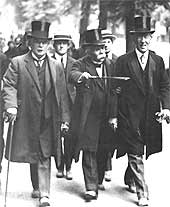
A meeting of the key leaders of the Allies of World War I (left to right): Prime Minister David Lloyd George of the United Kingdom, President Georges Clemenceau of France, and President Woodrow Wilson of the United States at the peace conference at Versailles.
The Allies of World War I is an informal name for the countries that opposed the Central Powers in World War I. Given the complex politics of the war, the Allies are known by a variety of names, with the Entente Powers being another common alternative.
The Allies were built on the foundation of the Triple Entente, an alliance of Russia, France, and the United Kingdom that was established in 1907. In 1920, the Treaty of Sèvres defined the Principal Allied Powers as the British Empire, French Republic, Italy and Japan. The Allied Powers comprised, together with the Principal Allied Powers, Armenia, Belgium, Greece, Hejaz, Poland, Portugal, Romania, the Serb-Croat-Slovene state and Czechoslovakia (some of which came into being during the course of the war and its aftermath.) The United States entered the war as an "associated power", rather than as a formal ally of France and the United Kingdom, in order to avoid "foreign entanglements". While the U.S. declared war on Germany and Austria-Hungary, no state of war existed between the U.S. and the Ottoman Empire or the U.S. and Bulgaria. The Dominions and Crown Colonies of the British Empire made great contributions to the Allied war effort, but did not have independent foreign policies in World War I with the British War Cabinet exercising operational control of British Empire forces.
Entente in The Case of the Toxic Spell Dump[]
The Confederated Provinces allied with England and Frankia fairly late during the First Sorcerous War. They were able to defeat the Alemanian coalition, but were unable to prevent the rise of an unprecedentedly evil leader of Alemania during the succeeding generation.
Literary comment[]
The name of this alliance system is unrevealed. It it placed here for convenience.
Entente in Curious Notions[]
The Entente of Britain, France, and Russia was defeated in a brief war in 1914 when Germany took advantage of Russia's slow military mobilization to implement the Schlieffen Plan and swiftly capture Paris. Russia lost much of its western territory to Germany, and soon collapsed into civil war. Within a decade it had effectively ceased to exist as a nation.
Britain and France had recovered sufficiently to launch a revanchist war against Germany in the 1930s, but were defeated once again, and the Entente ceased to exist. When the hitherto-neutral United States was devastated with German atomic bombs and occupied in the 1950s, Germany was without any remaining rivals in the world.
Entente in "Last Flight of the Swan of the East"[]
The Entete were, along with the Central Powers, one of the two major alliance systems that opposed each other in the Great War. France, the Russian Empire, and the United States served as the nucleus of the Entente when the war began in August, 1914.[1]
Entente in Southern Victory[]
The Entente was, with the Central Powers, one of two major alliance systems vying for world dominance in the early 20th Century.
History[]
Origins[]
The earliest incarnation of the Entente came during the American War of Secession when the governments of Britain and France recognized the government of the Cofederate States and joined with it militarily to force the United States to do the same. This alliance was strengthened during the Second Mexican War when the three countries once again defeated the US. To maintain the alliance, the Confederates abolished their practice of slavery. The alliance among these three was cemented, and Russia was brought into the accord, by the Entente Cordiale of 1903. The alliance continued to grow as all four nations allied with other states.
Great War[]
When a Serb nationalist assassinated Austro-Hungarian Archduke Franz Ferdinand in 1914, Austria-Hungary responded by issuing a number of ultimata against Serbia. Russia promised to support Serbia in a war if it refused, and emboldened, Serbia did so. In the resulting chain reaction Austria-Hungary went to war with Serbia, Russia went to war with Austria-Hungary, both nations invoked their alliances, and the Great War began.
During the war, Entente powers fought major land wars on the European, North American, South American, and African continents. In both Europe and North America it was able to force its principal enemies, Germany and the United States respectively, to engage in a two-front war. Entente navies also battled across the Atlantic and Pacific Oceans. The war remained stalemated for three years, but the Entente's rival, the Central Powers, outweighed it industrially and proved better able to fight a war of attrition.
Thus, in 1917, the major Entente powers were forced to sue for peace one after the other. First Russia's Tsarist government fell to a socialist revolution and the country became embroiled in a lengthy civil war. Next France was laid low by mutinies within its army. The Confederacy was simply outmatched in its land war with the United States, and eventually could not resist innovative new US tactics which took advantage of the US's numerical and industrial superiority. Britain's position became untenable as its allies collapsed and was ultimately forced to surrender when the Central Powers convinced the Empire of Brazil to join their side and shut down the all-important food supply route from Argentina. Japan, knowing it could not defeat the United States singlehandedly, agreed to a ceasefire, her remoteness preventing the Central Powers from imposing a harsh peace upon a relatively minor enemy.
Interwar Years[]
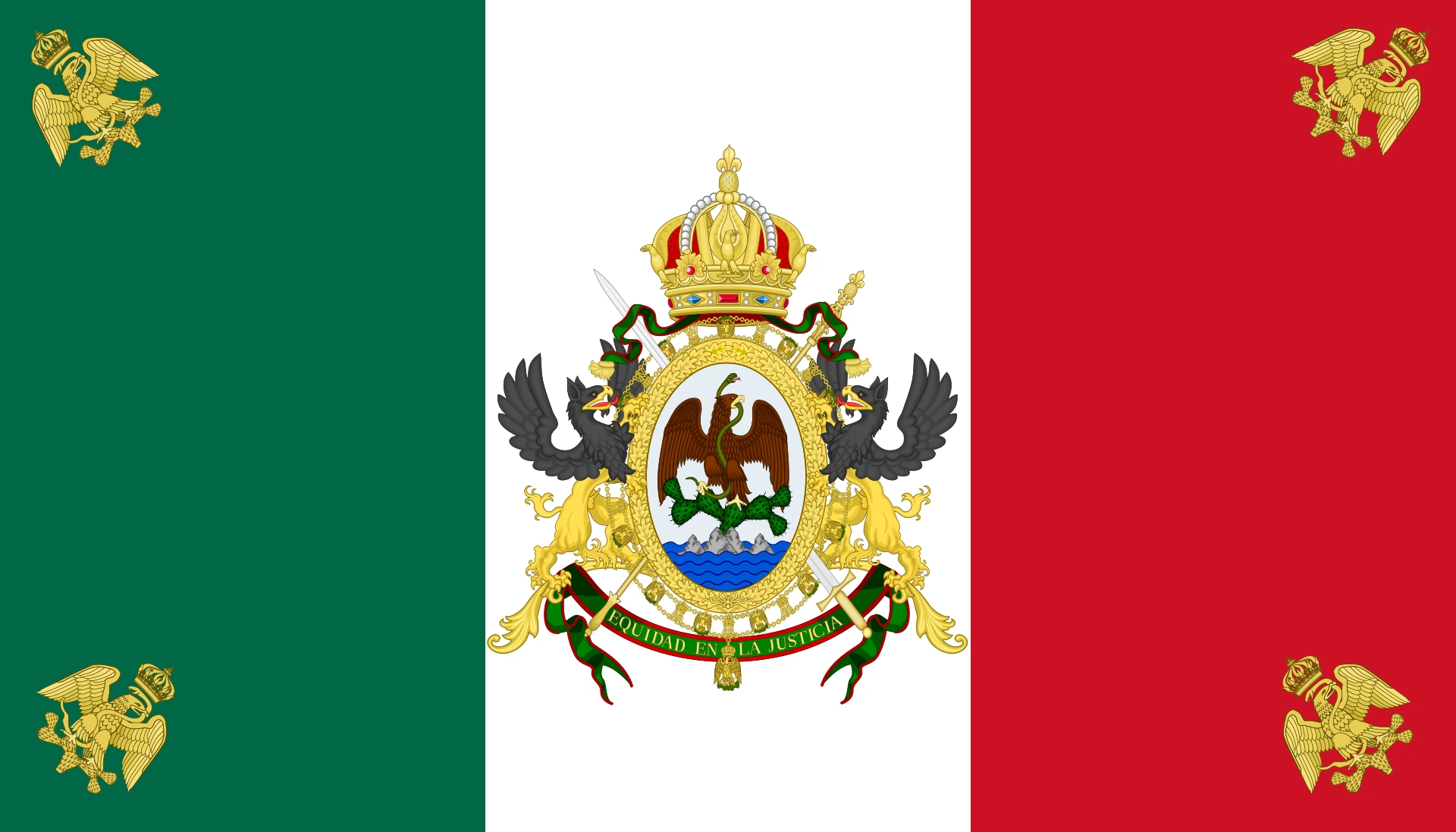
Over the next 24 years, the Entente nations came to be ruled by revanchist, militarist, nationalist governments such as the Freedom Party in the Confederacy, Action Francaise in France; the Conservative-Silver Shirts coalition in Britain; the Tsarist government of Mikhail II in Russia; the French- and British-backed Nationalist government in Spain; and the French- and Confederate-backed Hapsburg emperors of Mexico. These governments took advantage of the complacency which had overtaken the Central Powers as they grew comfortable in their perceived dominance. The Entente made several tests of its military prowess, most notably the Spanish and Mexican Civil Wars, in both of which Entente nations were able to secure those countries for governments they supported, defeating factions backed by the Central Powers.
Second Great War[]
In June 1941, the Entente took advantage of the death of German Emperor Wilhelm II to launch coordinated assaults on the United States and Germany. The Second Great War ensued.
In both Europe and North America, Entente forces scored early victories and drove deep into both German and American territory. In the process, the European Entente members violated Norwegian and Dutch neutrality, driving both of those countries to join the Central Powers. Entente naval forces also scored some successes in the Atlantic Ocean, including a major victory by the British Royal Navy over the German High Seas Fleet.
However, 1943 saw reversals of Entente fortunes on all fronts, with British forces expelled from Germany and much of the Netherlands, the Russians from Ukraine, and the Confederates from the United States. Britain attempted to challenge the U.S. Navy to a decisive battle in the North Atlantic, but was defeated, and lost Bermuda in a follow-up battle. The Confederate-backed Mormon resistance movement in Utah in the US was defeated, and resistance movements throughout the Entente received infusions of support from the US and Germany. Japan had become a cobelligerent of the Entente, as it had in the Great War, but in 1943 it called for a ceasefire with the US and invaded the British colony of Malaya. The Entente also suffered major public relations setbacks when Camp Determination was captured in western Texas and information of Russian pogroms against Jews were advertised.
While Entente powers remained nominally allied in the war, the alliance was much looser and weaker than it had been in the Great War and during the interwar rearming. Direct military cooperation was minimal in the first years, with halfhearted Anglo-French cooperation in Western Europe and a joint operation to take Bermuda executed by the Royal and Confederate navies proving to be the exception rather than the rule. The most serious weakening of the system came in early 1943 when Japan disengaged from its war with the United States and invaded British colonies in Asia.
Nonetheless, all parties realized that they had a vested interest in helping each other whenever possible, as the alternative would be another defeat at the hands of their respective enemies. This was the argument Jake Featherston presented to Lord Halifax.
Throughout 1944, all four of the Entente's main members were defeated by the Central Powers. As in the last war, Russia capitulated first, following the German superbomb attack that destroyed its capital Petrograd. France surrendered next after Paris was also razed. Britain managed to strike back with a superbomb attack of its own, destroying Hamburg, but lost London, Norwich and Brighton to a simultaneous attack by Germany. After its second superbomb was shot down over Belgium, Britain sued for peace. By this time the Confederacy had been completely crushed by the United States.
In the aftermath of the Second Great War, the Entente effectively dissolved. The Confederate States were occupied by the United States, ending their existence as an independent nation. (The theory was that they would be incorporated into the USA, but as of 1945, successful implementation of that plan seemed doubtful, as the region remained perpetually restive.) France was permanently removed from the ranks of the great powers and subjugated to Germany. Russia and the British Empire retained some independence from the war's victors but were effectively reduced to second-rank powers.
Members[]
Founding Members[]
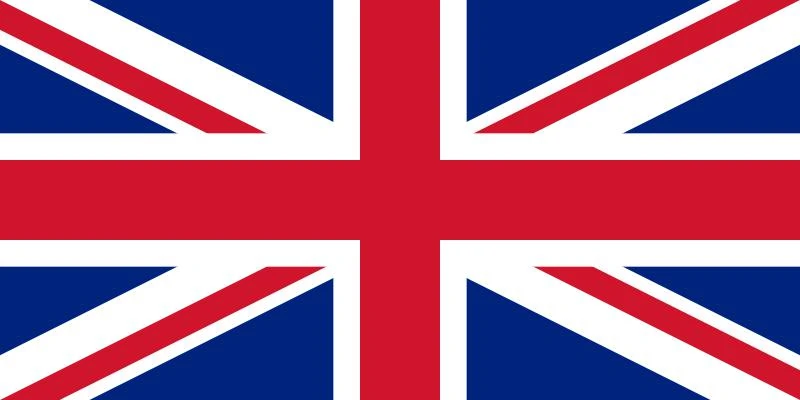
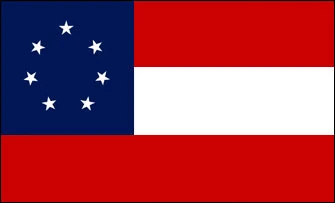
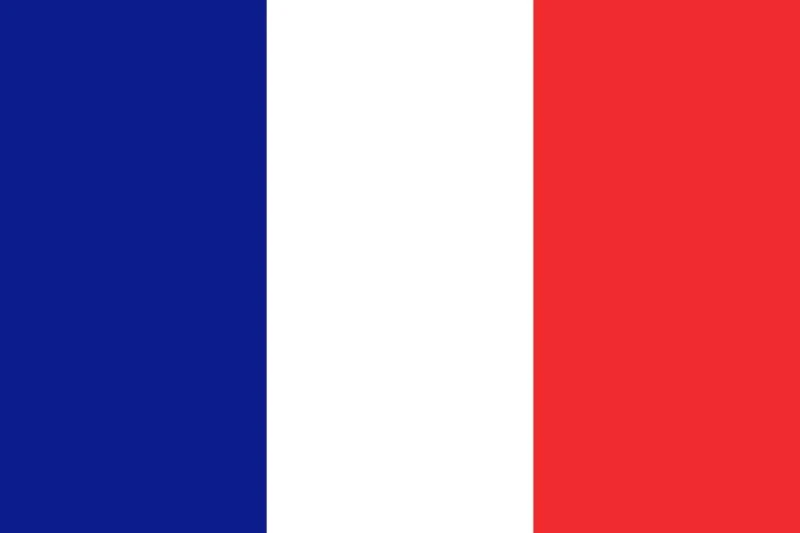
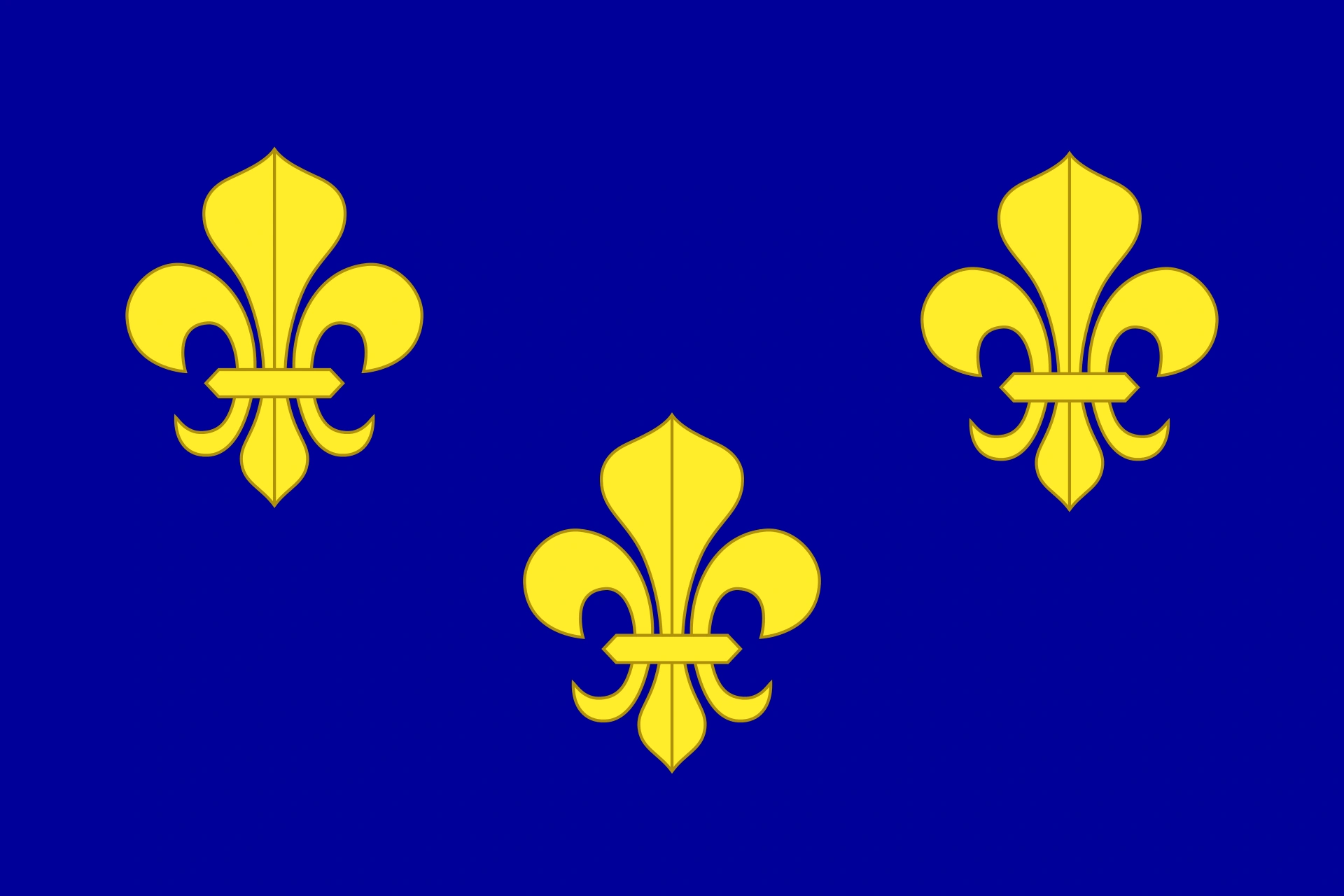
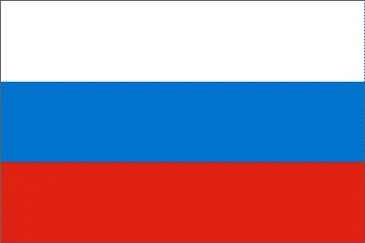
Later Members[]
Joined Before the Great War[]
Joined During the Great War[]
 Belgium (1914)
Joined Between Great War and Second Great War[]
- Spain (c. 1939, but did not enter the Second Great War)
Japan[]
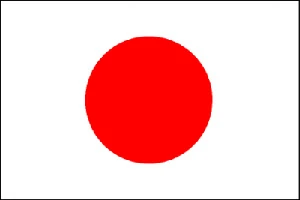
Japan fought the United States in concert with the United Kingdom during the Great War and on its own during the Second Great War (and the earlier Pacific War in which the rest of the Entente did not participate), but never formally joined the Entente. At the end of the Great War, it concluded a separate peace with the Central Powers after its cobelligerents surrendered, and thus was spared the harsh peace terms to which most Great War losers were subjected. In fact, Japan was able to expand its territory by taking advantage of the ruined economy of France to buy Indochina very cheaply.
In 1943, Japan suddenly called a ceasefire with the US and invaded the British colonies of Singapore, and Malaya.[2] At the end of the Second Great War, Japan demanded the Russian government evacuate several Siberian provinces. Japanese aggression caused concern in Australia.[3]
Governments Created by the Entente
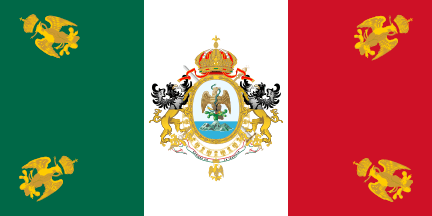
One-Time Entente Members Whose Governments Went Defunct[]
- Canada (after 1917)
Entente in "Uncle Alf"[]
Germany defeated the Entente powers in the Great War of 1914, when General Alfred von Schlieffen successfully implemented his plan for a two-front war. Germany occupied both France and Belgium immediately afterwards.[4] In 1916, Germany came to the aid of its former enemy, Russia, helping to put down a communist revolution.[5]
Entente in Worldwar[]
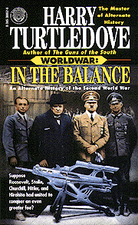
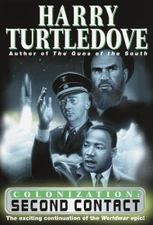
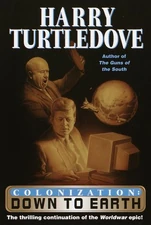
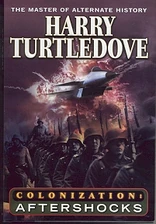
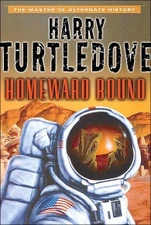
The Entente was the alliance system which defeated Germany in World War I. They attempted to impose a harsh peace on Germany through the Treaty of Versailles but lacked the will to enforce its strict provisions for more than a few years. Due to their negligence, Adolf Hitler and the Nazi Party rearmed Germany and by 1939 felt sufficiently strong to begin World War II against former Entente members.
In 1965, after the Race defeated Germany in their brief, devastating war and imposed severe technological restrictions designed to neutralize Germany as a threat to the Race, former Entente members warned that Germany was accustomed to subverting such restrictions. Fleetlord Atvar boasted that the Race was more patient and more thorough than Tosevites and would not make the Entente's mistakes. Despite Atvar's confidence, Germany rearmed under the enlightened leadership policies introduced by Führer and Chancellor Walter Dornberger, and the Race fared little better than the Entente in preventing this. By the end of the 20th century Germany was once again a major power able to threaten the Race.
References[]
- ↑ Leviathans: Armored Skies, pgs. 292-299, loc. 4174-4290, ebook.
- ↑ The Grapple, pg. 80, HC.
- ↑ In at the Death, pg. 299, HC.
- ↑ See e.g.: Atlantis and Other Places, pgs. 341-342, HC.
- ↑ Ibid., pgs. 343-344.
| ||||||||||||||
| |||||||||||||||||||

| ||||||||
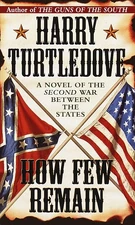
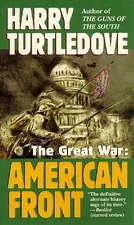
| ||||||||||||||
| |||||||||||||||||||||||||